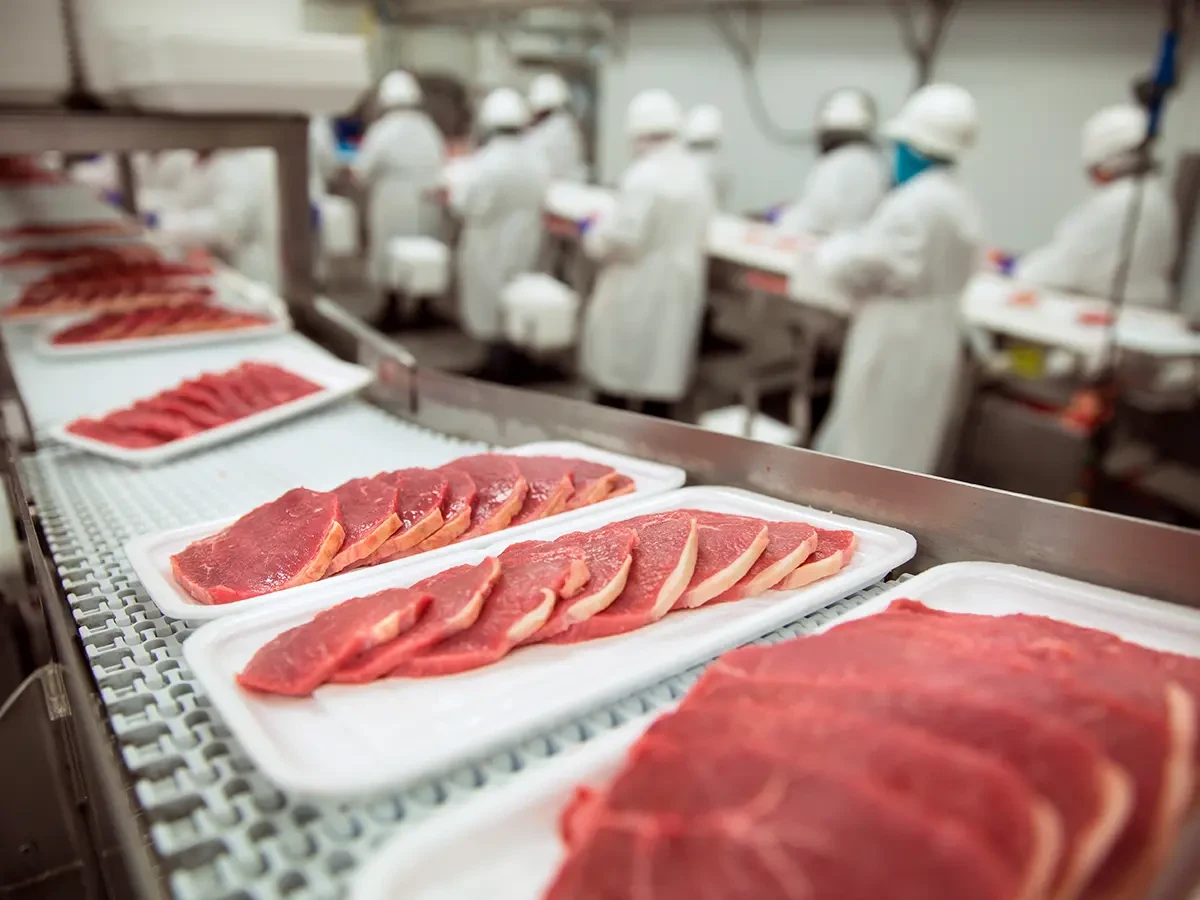
Belgian food manufacturers are using 72 to 73 percent of their production capacity this year. That’s the lowest utilization rate since 2013, according to figures from industry association Fevia. Business confidence in the sector has also been declining since 2022. It’s now nearing its 2020 low again. “The Belgian food industry is resilient, but the warning signs are piling up,” Fevia warns.
The Belgian food industry invested about €2.3 billion in 2025. That was 7.1 percent more than a year earlier. Investment held steady in the first half of 2026 as well. According to Fevia, companies are increasingly investing in replacements, more efficient operations, or compliance with new requirements. They’re spending less on expanding production capacity.
Fevia says companies create less value when they use less of their capacity. That puts pressure on profitability and leaves less room for investment and employment. Meanwhile, energy, raw material, and labor costs are rising. According to Fevia, the value companies add is failing to keep pace with those rising costs.
Industry revenue rose 2.5 percent to €85.3 billion in 2025. By the end of that year, revenue had started to fall. In the first half of 2026, revenue fell 1.7 percent. According to Fevia, weaker demand in Belgium and falling exports are putting pressure on production. Belgian food exports grew 2.3 percent in 2025. In the second quarter of 2026, they fell 7.7 percent.
Fevia is calling for lower energy and labor costs for Belgian food manufacturers. The association wants to prevent new requirements from widening the cost gap with competitors. Fevia is also calling for more support for companies seeking new export markets.
Source: Vilt
Magazine Voedingsindustrie has been made possible in part by:



© COPYRIGHT 2026 VOEDINGSINDUSTRIE | ALLE RECHTEN VOORBEHOUDEN
Powered by Wallbrink Crossmedia © 2026