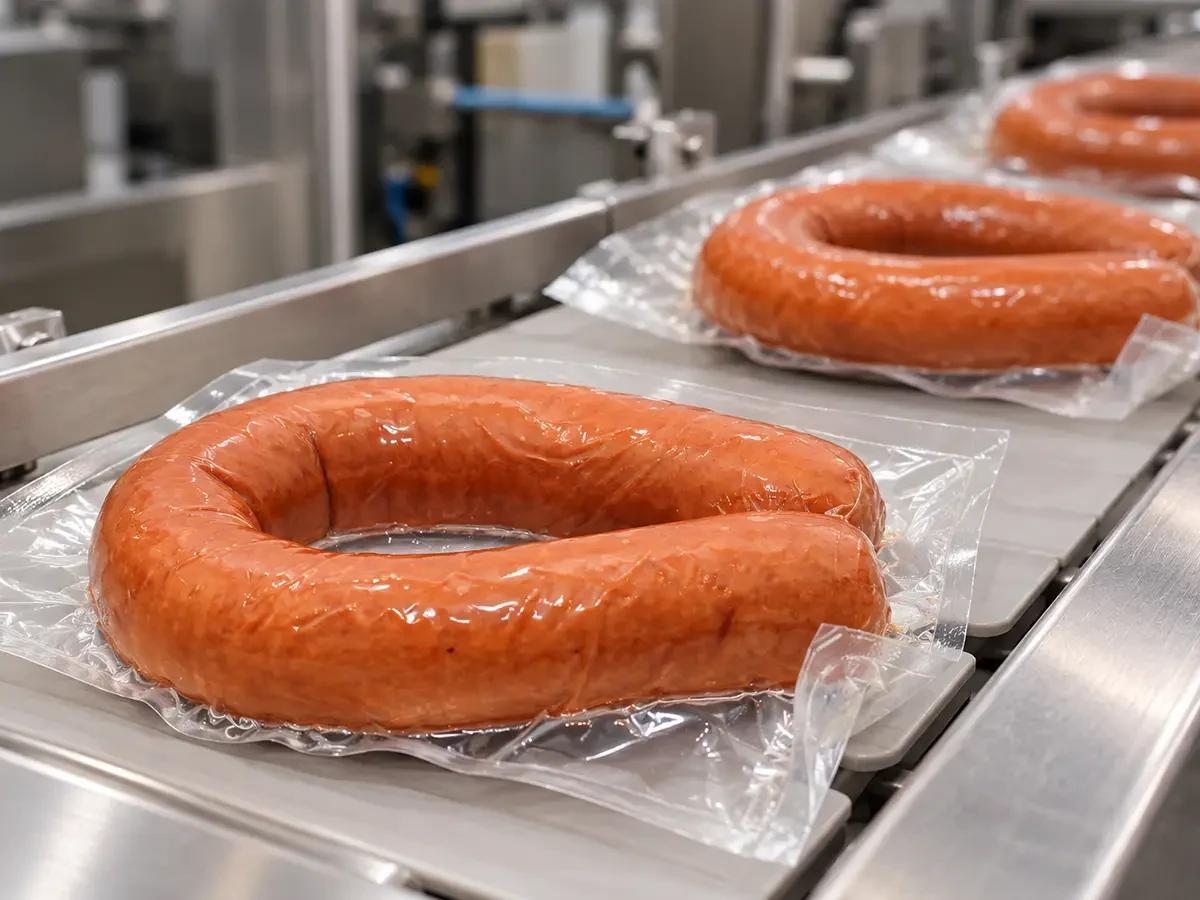
A leading brand and numerous private labels under one producer: the ACM sees this as a risk to competition. The regulator has therefore refused to approve Zwanenberg’s acquisition of Unox. The combined business would gain too much influence over sausage and soup prices. Zwanenberg proposed measures, but these failed to satisfy the ACM.
Zwanenberg produces meat products, soups, and sauces, including many supermarket private labels. Unox is a strong brand in smoked sausages, frankfurters, and shelf-stable soups. Zwanenberg would gain market shares of approximately 60 to 85% in smoked sausages, cooked sausages, and shelf-stable soups.
Virtually no other major supplier of smoked and cooked sausages would remain for Dutch supermarkets. Cooked sausages also include frankfurters. The choice of suppliers for shelf-stable soups would also become too limited.
Several supermarkets raised concerns about potential price increases during the investigation. According to the ACM, Zwanenberg could demand higher prices from supermarkets. This would also create a risk of higher prices for consumers.
The investigation indicates that new suppliers are not poised to enter these markets. There is no evidence that they are able or willing to do so. Market entry requires substantial investment that would be difficult to recoup.
The ACM gave the companies an opportunity to develop specific solutions. One option was to divest part of Zwanenberg’s production capacity. A suitable buyer could then use that capacity to compete.
However, the regulator says the submitted proposals do not provide sufficient certainty. The proposed buyer’s new production capacity would be insufficient for cooked sausages. The ACM also considers the plans insufficiently detailed. In addition, the buyer would remain dependent on Zwanenberg for the first two years.
Supermarkets also question whether the proposals would ensure sufficient competition in practice. The companies involved can appeal the decision.
Source: ACM
Magazine Voedingsindustrie has been made possible in part by:



© COPYRIGHT 2026 VOEDINGSINDUSTRIE | ALLE RECHTEN VOORBEHOUDEN
Powered by Wallbrink Crossmedia © 2026