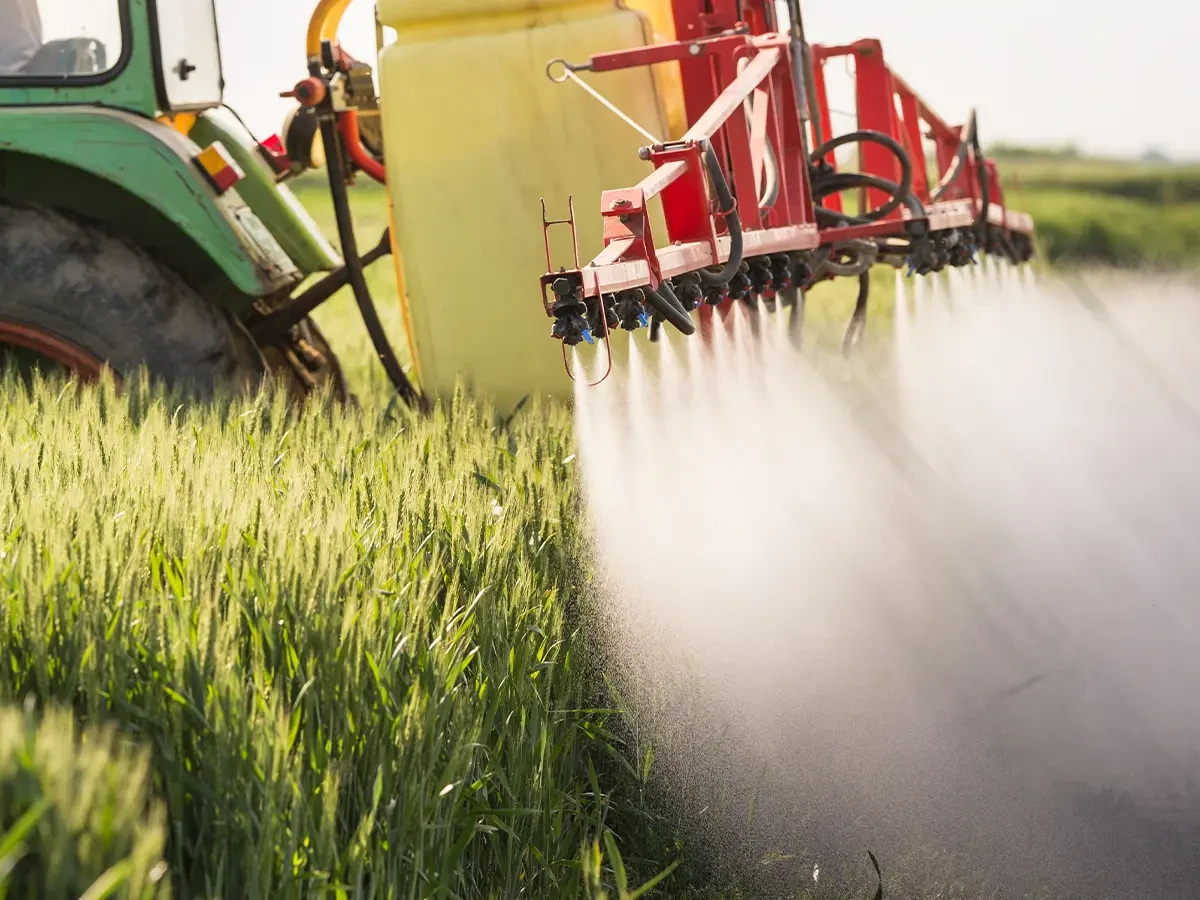
When a crop protection product is taken off the market, food processors can feel the effects too. Stricter rules are narrowing the range of chemical products available to Dutch crop growers. According to ABN AMRO, the risk of crop failure increases if these products are phased out too quickly. That can make growers’ incomes more volatile. It also makes it harder for processors to count on a steady supply. How quickly growers can cut back on chemical products varies by crop.
Phytophthora remains difficult to control in potato crops. The range of products available to potato growers continues to shrink. Aphids, whiteflies, and thrips pose problems for Brussels sprout growers. According to the report, growers have no alternative treatments for these pests in the near term.
Growers can use lower-impact crop protection products or adjust their growing practices. Crop breeding and new techniques can also help reduce the use of chemical products. Which alternatives are viable depends on how well they work and what they cost. Where no alternatives are available, ABN AMRO sees a role for targeted use of chemical products in emergencies.
Some supermarkets and buying groups rule out products that are still legally permitted. They also sometimes require lower pesticide residue levels in the food they buy. These additional requirements vary by supermarket and by product. ABN AMRO is calling on buyers to align their requirements more closely. That would help growers and others in the supply chain focus their efforts on finding alternatives. The bank also stresses the importance of agreeing on how to share the costs and risks of the transition.
Source: ABN AMRO
Magazine Voedingsindustrie has been made possible in part by:



© COPYRIGHT 2026 VOEDINGSINDUSTRIE | ALLE RECHTEN VOORBEHOUDEN
Powered by Wallbrink Crossmedia © 2026