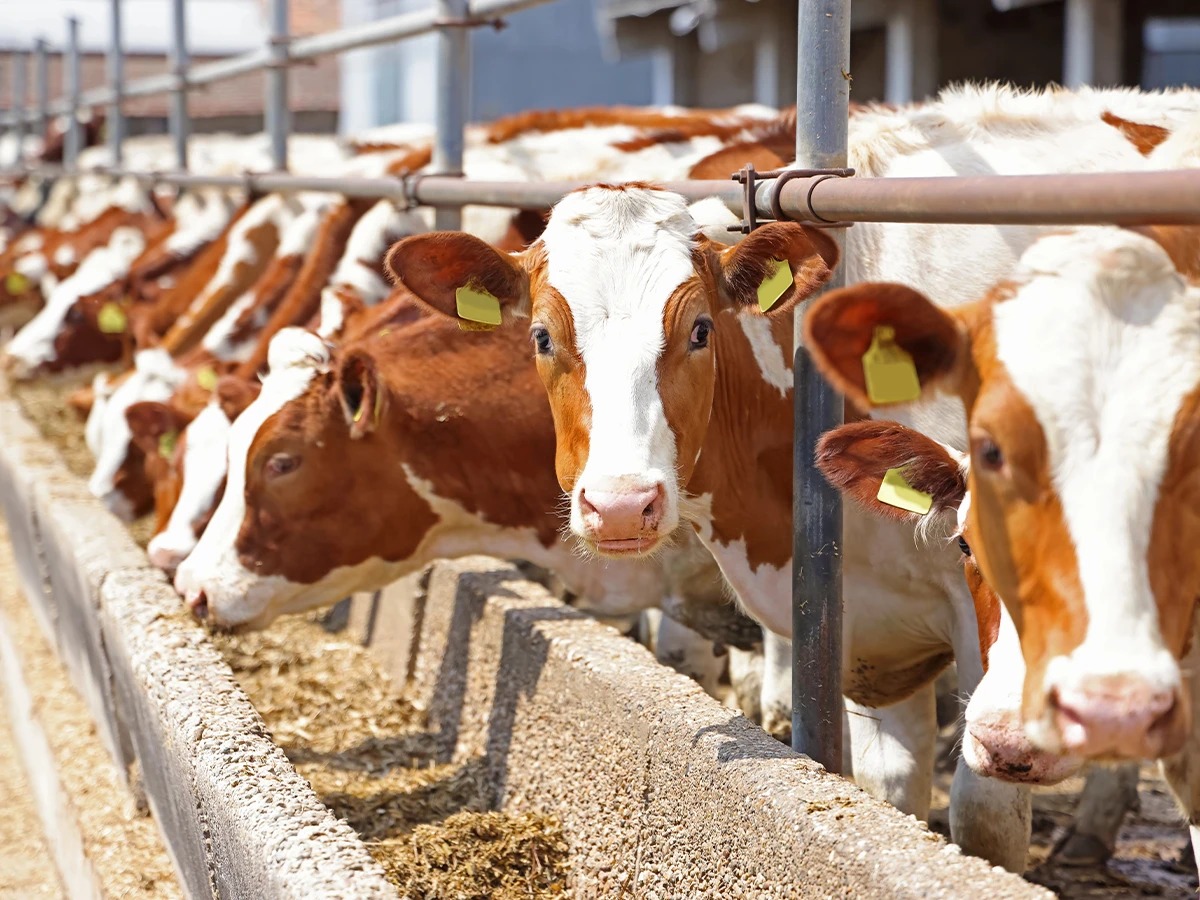
Medication residues exceeded legal limits in 2.5 percent of the cattle and pig kidneys tested. This is the finding of an assessment by the Office for Risk Assessment & Research (BuRO). The office examined painkillers and antibiotics in the red meat supply chain. Alongside food safety, animal welfare is also a concern: medication can mask health problems in animals sent for slaughter. BuRO therefore recommends oversight of proper medication use at every stage.
The exceedances involved 17 of the 692 kidneys tested. These may pose a health risk to consumers. The cattle data used are not representative of all cattle sent for slaughter in the Netherlands.
For certain combinations of substances and animal species, no legal residue limit exists. BuRO calculated safe levels for these combinations in meat and kidneys. The measured concentrations of these substances remained below the calculated values. For phenylbutazone, however, BuRO could not establish a safe threshold.
Some cattle receive painkillers before being sent to the slaughterhouse. As a result, health problems may go undetected during the inspection before slaughter. Transporting animals that are unfit for transport can cause or worsen injuries.
BuRO recommends investigating why livestock farmers violate the rules on medication use. Whether they knowingly send animals that are unfit for transport has not been investigated.
The NVWA views the advice as supporting its existing oversight. It emphasizes that pain relief can also be a legitimate treatment.
The regulator also points to expanded eligibility for emergency slaughter. Animals that are fit for slaughter but cannot be transported for welfare reasons may qualify. Once the new procedure is implemented, the NVWA will monitor its inspection findings. It will then determine whether investigating the motivations of farmers who break the rules would add value.
The NVWA is also examining how it can use the residue values calculated by BuRO. It first assesses which legal requirements apply to the situation. The values can then help if a risk assessment is needed.
Source: NVWA
Magazine Voedingsindustrie has been made possible in part by:



© COPYRIGHT 2026 VOEDINGSINDUSTRIE | ALLE RECHTEN VOORBEHOUDEN
Powered by Wallbrink Crossmedia © 2026