The Dutch marine fishing industry has posted a profit for the second consecutive year. Yet, the entire supply chain faces major, long-term structural challenges. Due to a shrinking fleet, the supply of fresh North Sea fish is steadily declining. As a result, aquaculture fish imports are rising sharply. Seafood processors really need to step up their game and are forced to invest in automation and robotics.
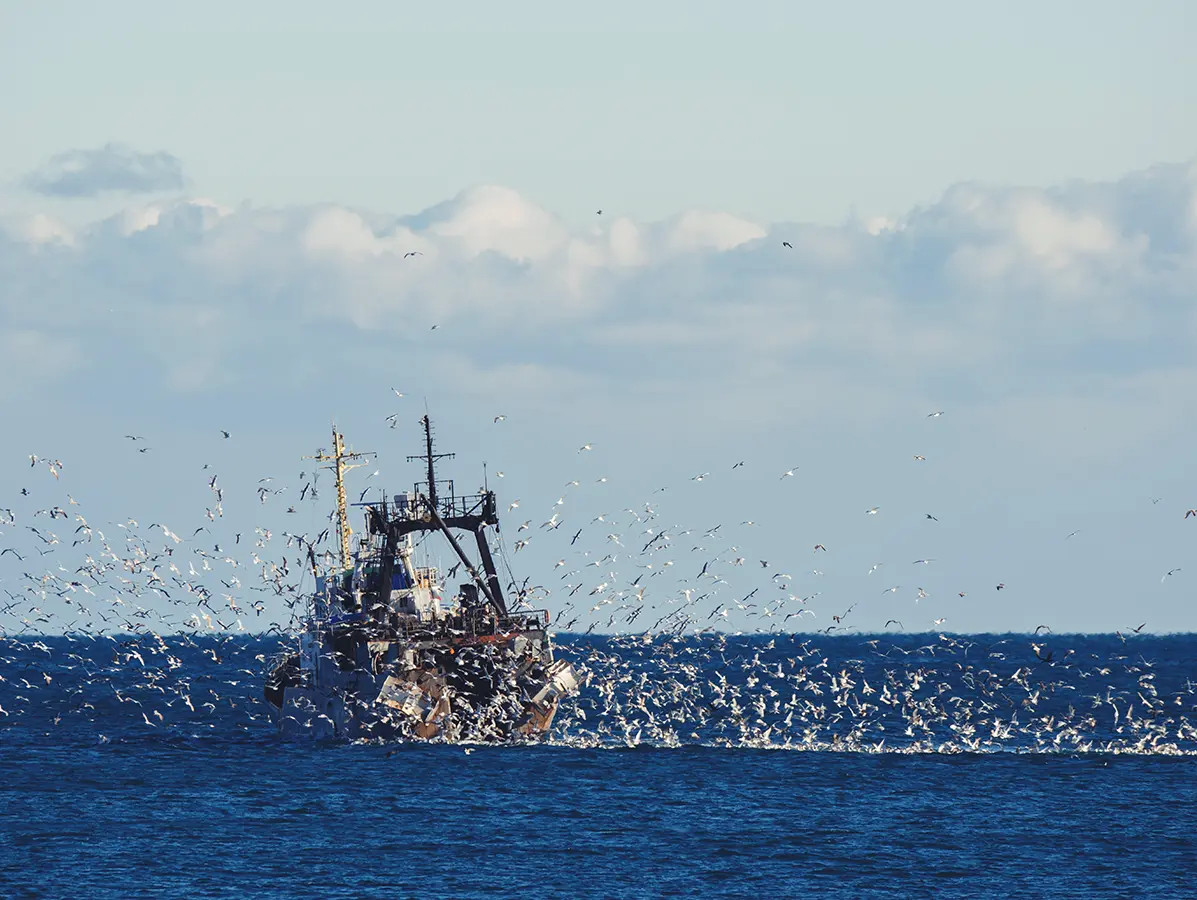
In 2025, the total net profit of the Dutch marine fishing sector reached approximately 17 million euros. This is according to the new 'Visserij In Cijfers' report by Wageningen University & Research. Within the cutter fleet, beam trawl, shrimp, and flyshoot fisheries posted positive results. Only twin-rig trawlers closed out the year in the red. The pelagic fishing sector broke even almost exactly.
Despite these positive figures, the financial room for necessary fleet renewal remains too limited. The supply of fresh North Sea fish continued to decline up until 2024. A shrinking national fleet is the primary driver behind this downturn. Consequently, the Dutch seafood processing sector and wholesalers are importing from all over the world. The import value of fish rose by 6 percent to 5.4 billion euros. This fish is increasingly sourced from aquaculture.
Meanwhile, seafood processing companies in our country are facing major operational challenges. The sector is dealing with labor shortages and rising wage costs. Additionally, the limited availability of energy and drinking water is creating bottlenecks. To stay competitive, processors are turning to technological solutions. Companies are therefore increasingly investing in the automation and robotization of the processing stage. International geopolitical tensions and fluctuating energy costs also continue to impact margins.
Researcher Marc Robert hits the nail on the head: “For both marine fishing and mussel farming, limited financial leeway and uncertainty regarding fishing opportunities and the long-term business model hinder investments in innovation, sustainability, modernization, and fleet renewal.”
Source: Wageningen University & Research
Magazine Voedingsindustrie has been made possible in part by:



© COPYRIGHT 2026 VOEDINGSINDUSTRIE | ALLE RECHTEN VOORBEHOUDEN
Powered by Wallbrink Crossmedia © 2026