Work on greenhouse-grown vegetables continues after harvest in the processing area. There, employees sort and pack the vegetables. Greenhouse growers rely in part on migrant workers from other EU member states for seasonal work. Depending on the crop and growing system, labor costs typically account for 30 to 50 percent of revenue. How much work employees can get done in a given time therefore has a major impact on profitability.
In greenhouse vegetable production, gross labor productivity rose by an average of 0.5 percent per year between 2011 and 2024. Across the greenhouse sector, the figure was 0.86 percent per year. RaboResearch measures this using gross value added per annual work unit. The researchers say productivity needs to rise faster to keep the business model viable.
RaboResearch modeled four scenarios for the entire greenhouse sector, including ornamental plant production. Employment in 2035 ranges from 35,000 to 48,000 annual work units across the scenarios. The upper end is close to the current level.
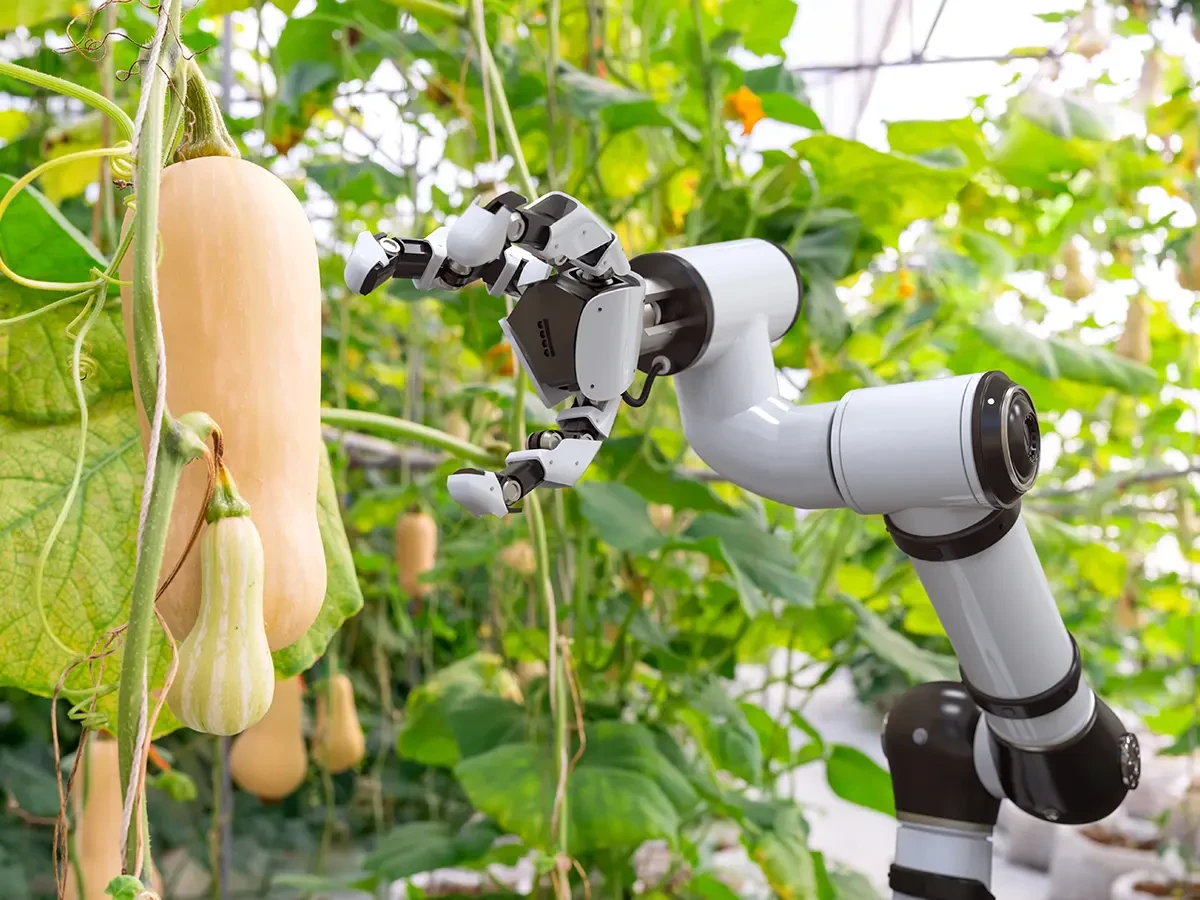
If workers become harder to find and automation proves effective, there will be less manual work. The sector could then add more value with fewer workers. In that scenario, companies would need more employees to operate machinery, monitor processes, or analyze data. They could hire new staff or retrain existing employees.
In the scenario where the sector shrinks, vacancies go unfilled and technology can only partly cover the work. RaboResearch assumes a 20 percent reduction in greenhouse growing area in that scenario. In the other three scenarios, the growing area stays the same.
Source: Rabobank
Magazine Voedingsindustrie has been made possible in part by:



© COPYRIGHT 2026 VOEDINGSINDUSTRIE | ALLE RECHTEN VOORBEHOUDEN
Powered by Wallbrink Crossmedia © 2026