
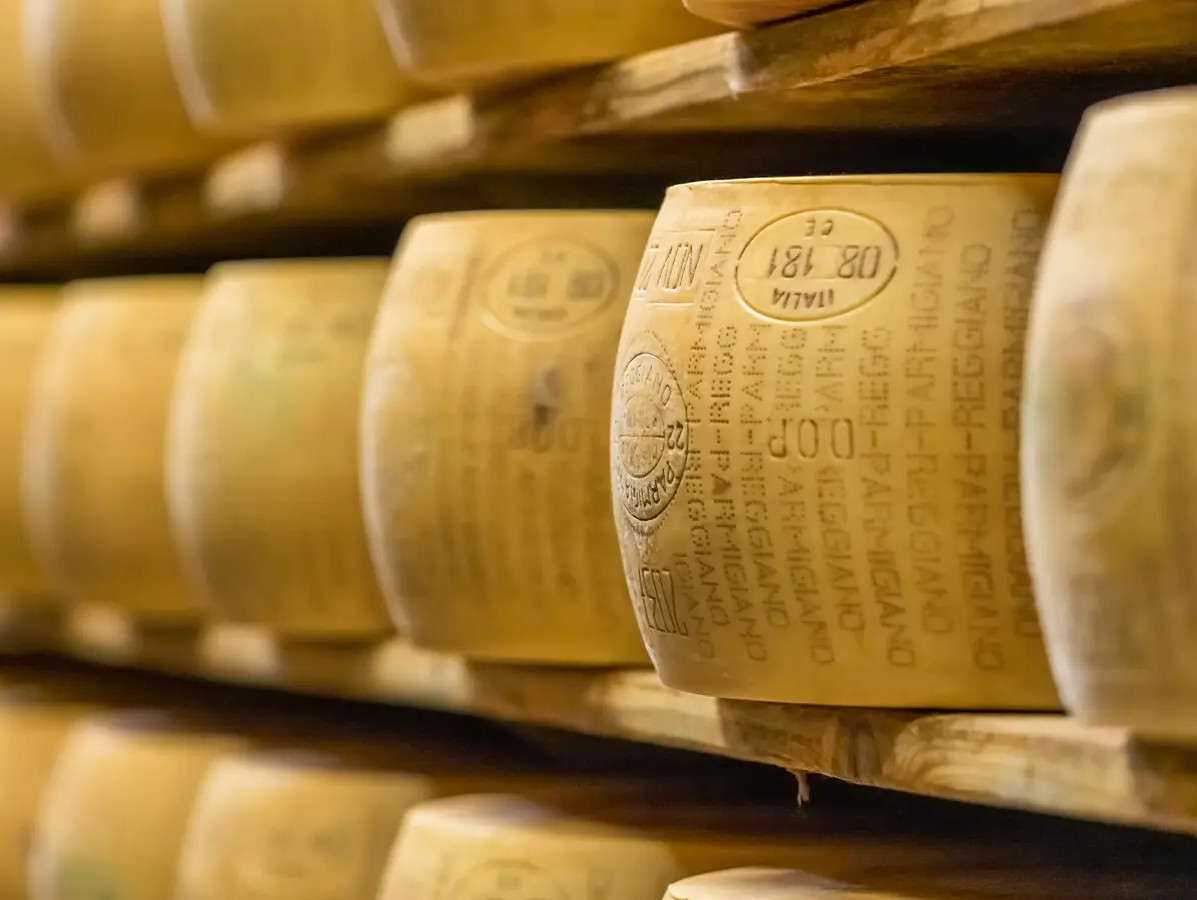
The iconic Italian Parmigiano Reggiano is under severe pressure. Extreme heatwaves in the Emilia-Romagna region are causing major problems. Milk production is falling, while energy costs for producers are skyrocketing. As a result, the future of this key economic sector has become uncertain.
In northern Italy, temperatures regularly rise above forty degrees. This has a direct impact on both milk quality and volume. Cows eat less and produce up to ten percent less milk. Since the cheese is made exclusively from milk, salt, and rennet, this directly impacts cheese production.
Strict traditional regulations make the situation even more complex. Milk can only come from silicone-free farms and five specific northern Italian provinces. Furthermore, the cows must be fed local grass and hay. Due to ongoing drought, less grass is growing, which is also making animal feed scarce.
Dairy farmers are investing heavily in fans and water misting systems to cool their barns. However, this is driving up energy bills significantly. Storage and aging facilities are also seeing their costs mount. Parmigiano Reggiano ages for a minimum of twelve months, and sometimes for over three years. A stable climate inside the warehouses is essential for this process. During recent heatwaves, daily energy consumption in some storage facilities jumped by thirty percent.
The industry generates an annual turnover of approximately 4.5 billion euros. More than half of the production is destined for export. The United States is the primary foreign market. Producers fear that ongoing climate change will structurally increase costs. This could hit the sector's competitiveness hard. The sector is currently investing in climate-resilient production and energy-saving measures.
Source: Vilt
Magazine Voedingsindustrie has been made possible in part by:



© COPYRIGHT 2026 VOEDINGSINDUSTRIE | ALLE RECHTEN VOORBEHOUDEN
Powered by Wallbrink Crossmedia © 2026