
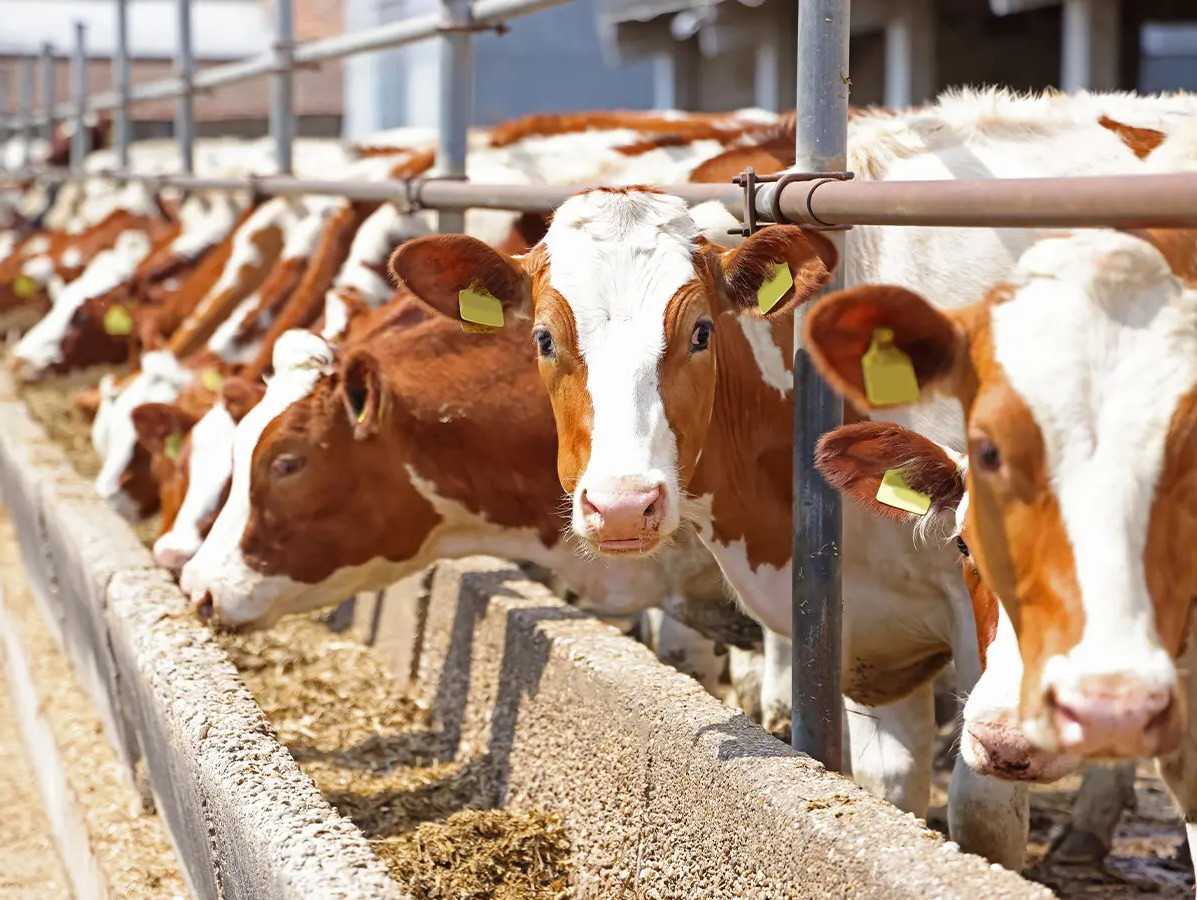
The NVWA-IOD is investigating suspected fraud involving two cattle traders in Overijssel. During searches, investigators found dozens of cattle that were not properly registered. According to the NVWA, this means the origin of animals and meat can no longer be traced. This poses risks to food safety and animal health.
On September 30, the investigative service searched the traders’ homes and business premises. Investigators seized business records and phones, among other items. The criminal investigation is ongoing under the direction of the Functioneel Parket.
At one trader’s premises, 88 cattle were not properly registered. They were either not registered at that address or not registered at all. At the other trader’s premises, 19 animals were incorrectly registered. Cattle without the required ear tags were also found at both premises. Investigators seized used ear tags and a pair of pliers for removing ear tags.
The NVWA-IOD and police intercepted a truck that had left one of the premises. The 21 cattle were not registered at the trader’s address. Another 32 cattle belonging to the same suspect were found on a livestock farm in Overijssel. They had been imported but were not registered in the Netherlands.
Identification and registration allow animals to be traced quickly. This is important when an animal disease breaks out or meat is found to contain drug residues.
One trader is also suspected of illegally assembling cattle. His premises housed cattle from the Netherlands and abroad. On paper, his business was based at the other trader’s address. This concealed the business’s actual location. Cattle may only be assembled for sale or slaughter at an approved assembly center. These centers have strict rules for cleaning and disinfecting livestock transport vehicles. These rules are intended to help prevent the spread of animal diseases.
One of the traders allegedly transported cattle that were too sick for transport. Investigators and inspectors found seriously ill cows in a barn. Some could no longer stand, while others had severe inflammation. A veterinarian had to euthanize three cows on site to end their suffering. The NVWA took administrative action to ensure the remaining cows receive the care they need.
Source: NVWA
Magazine Voedingsindustrie has been made possible in part by:



© COPYRIGHT 2026 VOEDINGSINDUSTRIE | ALLE RECHTEN VOORBEHOUDEN
Powered by Wallbrink Crossmedia © 2026