
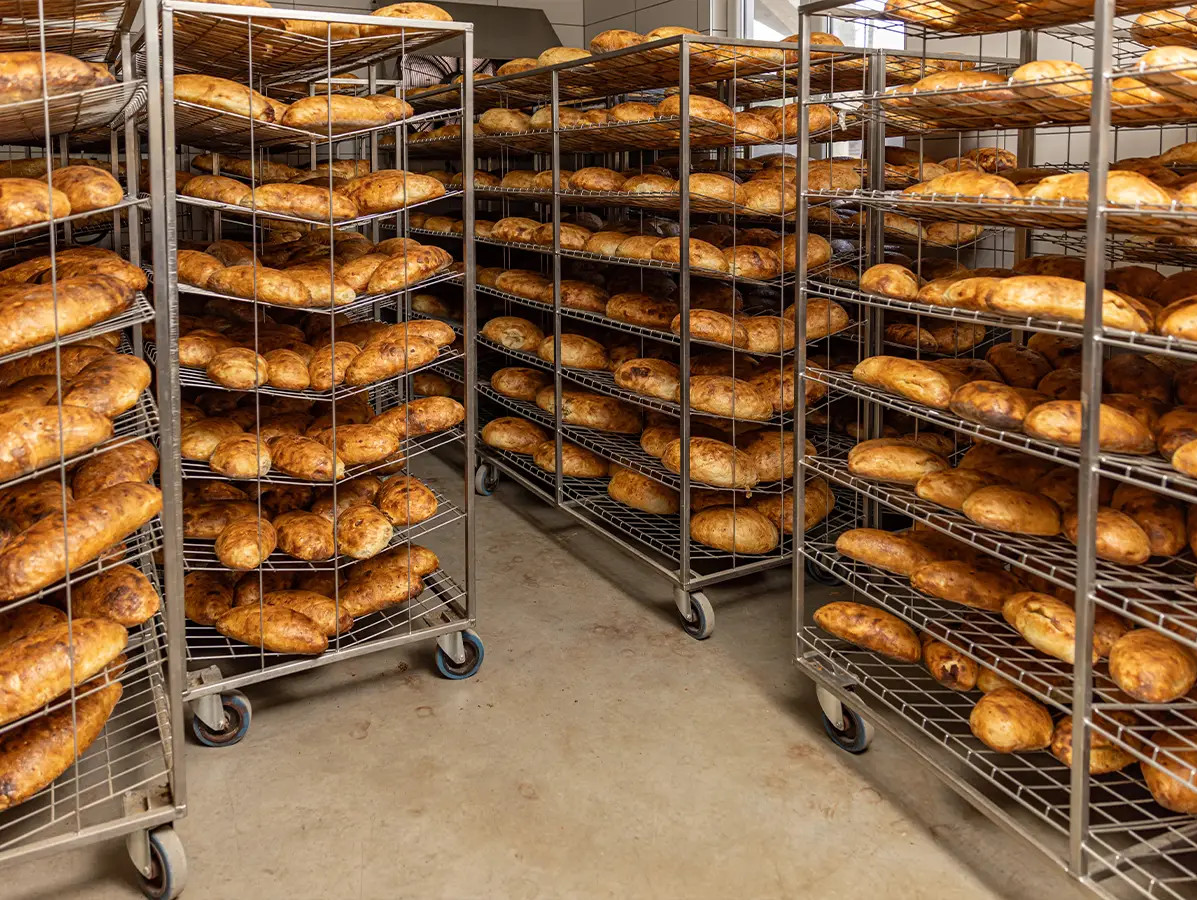
The Dutch bread market returned to growth during 2025. Bread volumes increased by 3.7%, while turnover rose by 4.6%. Rolls, bake-off bread and filled sandwiches performed particularly well. More consumers eating breakfast and lunch outside home supports this development.
At the same time, raw material prices remain highly volatile. Grain, butter, cocoa and energy regularly create uncertainty for producers. Bakeries increasingly choose longer contracts to secure greater price stability.
Consolidation also continues across production and the wider supply chain. Companies seek economies of scale and greater control over their supply chains.
Consumers are also demanding healthier products and greater transparency. Bakeries respond with less salt, smaller portions and fibre-rich varieties. Flexible production lines enable smaller batches and faster product changeovers.
Staff shortages, higher wages and an ageing workforce remain key concerns. Pastry production involves many tasks that are difficult to automate. Companies therefore continue investing in robotics, automation and in-house training.
Sustainability also requires substantial investment from industrial bakeries. Electric ovens are technically feasible, but gas often remains cheaper. Batteries can reduce peak demand but cannot fully resolve grid congestion.
The greatest climate impact also occurs across the entire supply chain. Wheat cultivation, fertilisers, packaging and transport all play significant roles. Dutch baking wheat and more efficient supply chains therefore receive increasing attention.
Source: ©vakblad Voedingsindustrie 2026
Magazine Voedingsindustrie has been made possible in part by:



© COPYRIGHT 2026 VOEDINGSINDUSTRIE | ALLE RECHTEN VOORBEHOUDEN
Powered by Wallbrink Crossmedia © 2026