
International food prices declined slightly again in June. Cereals, sugar, and dairy products became cheaper, while vegetable oils and meat grew more expensive. These price movements remain important for Dutch food manufacturers. FAO also points to growing uncertainty driven by El Niño.
The FAO Food Price Index averaged 130.3 points in June. That was 0.3 percent lower than in May. Compared with a year earlier, the index remained 2.2 percent higher.
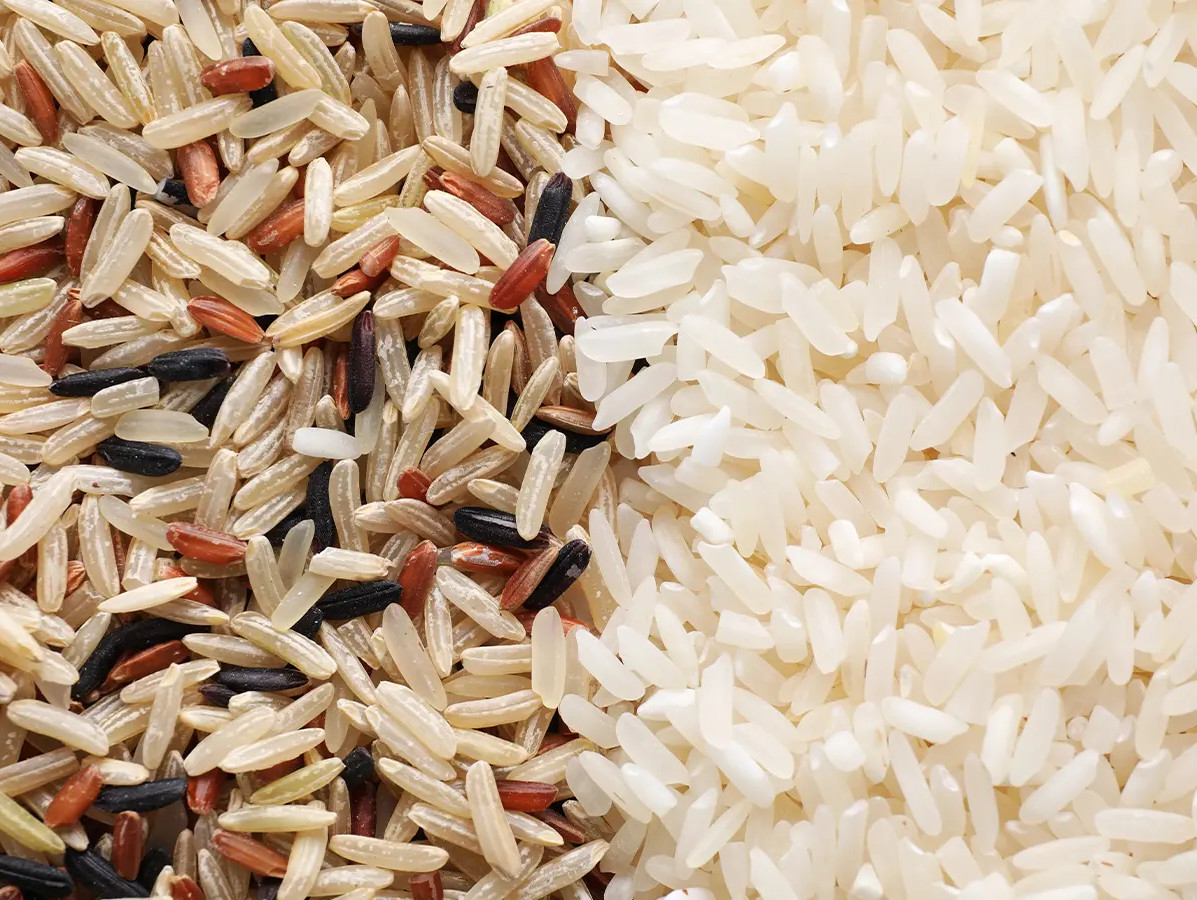
Cereal prices fell by 3.5 percent compared with May. Wheat prices dropped by 4.4 percent. Rapid harvest progress and favorable supply expectations in the Black Sea region put downward pressure on prices. A stronger U.S. dollar and lower energy prices, driven by easing tensions around the Strait of Hormuz, also contributed to the decline. Corn prices fell by 6.2 percent due to ample supplies in exporting countries in South America and weaker demand for ethanol. Rice was the exception. Prices rose by 3.2 percent, supported by stronger demand for Indica rice in Asia. Weather concerns, along with higher production, transportation, and marketing costs, also played a role.
Vegetable oil prices increased by 3.8 percent. Palm and rapeseed oil prices rose in particular, driven by stronger demand for biofuels resulting from mandatory blending requirements.
Dairy prices fell by 1.5 percent. Skim milk powder, whole milk powder, butter, and cheese all became cheaper. International cheese prices declined for the eleventh consecutive month.
Meat prices increased by 0.5 percent, reaching a new record high. Poultry prices rose following production adjustments after an earlier oversupply. Beef and pork prices, by contrast, declined. Sugar prices also moved lower. Sugar prices fell by 5.7 percent due to lower ethanol prices in Brazil and the depreciation of the Brazilian real.
According to FAO, global cereal production is expected to remain historically high in 2026 at 2.983 billion tonnes. The organization also notes that growing El Niño risks could create additional uncertainty in agricultural markets in the months ahead.
Source: FAO
Magazine Voedingsindustrie has been made possible in part by:



© COPYRIGHT 2026 VOEDINGSINDUSTRIE | ALLE RECHTEN VOORBEHOUDEN
Powered by Wallbrink Crossmedia © 2026





