Several large Dutch supermarkets aim to reduce their indirect emissions in the coming years. Processing surplus products into animal feed could play an important role. This keeps raw materials within the food chain and reduces the need for additional animal feed. According to Samen Tegen Voedselverspilling, this can help retailers meet their sustainability targets.
Supermarkets are already addressing emissions from their own operations. They are also focusing on indirect emissions within scope 3. These occur earlier in the supply chain or after products leave the store. Retailers therefore want to work more closely with suppliers and other supply chain partners.
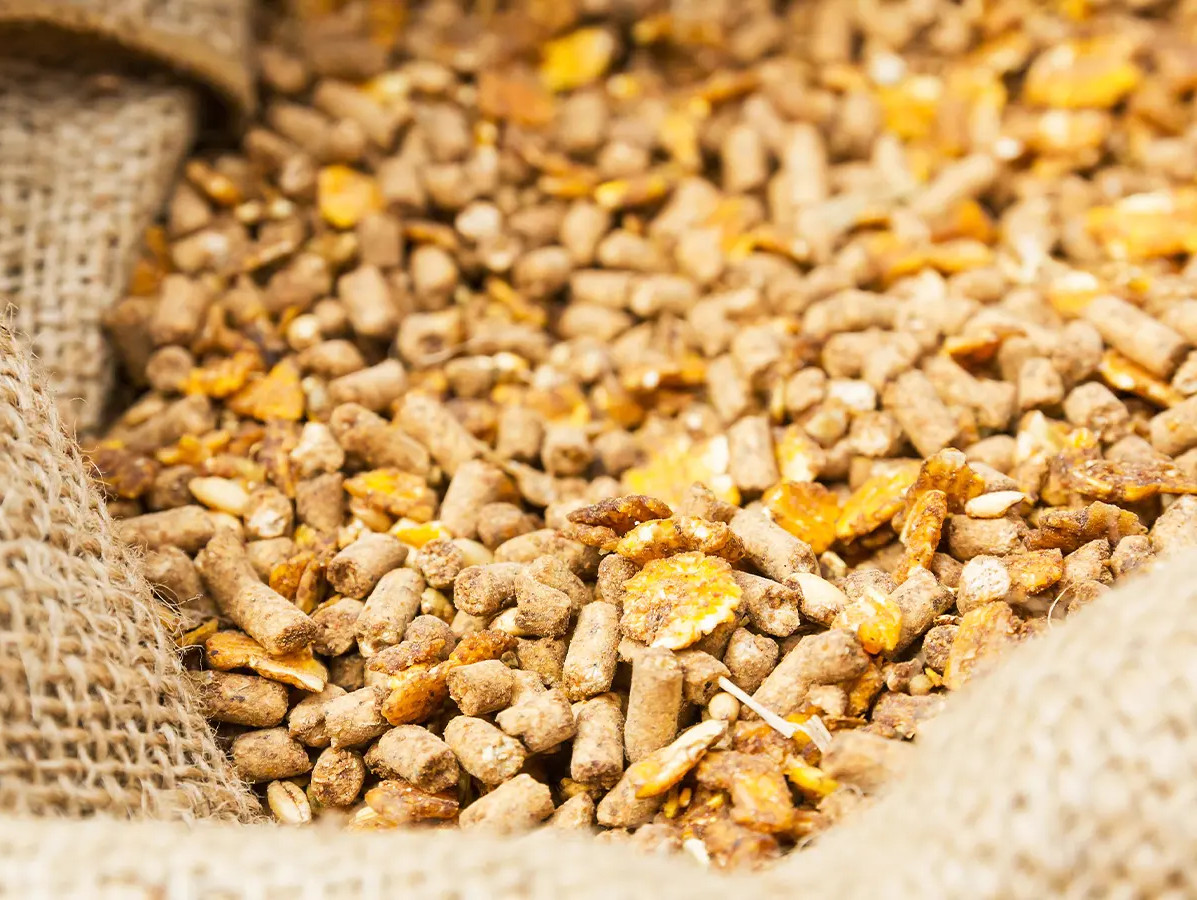
Reusing food residuals can reduce emissions from waste treatment. It also reduces the amount of animal feed that needs to be produced. Food residuals can replace soy, grains, and corn in animal feed. This can avoid emissions from crop production, processing, and transportation.
Much of the unsold bread from supermarkets is already used as animal feed. Cookies, candy, prepared salads, fruit, and grain products may also be suitable. Farming and food processing also generate other residual streams. Used as animal feed, these streams can help reduce scope 3 emissions.
Converting food residuals into animal feed ranks high on the Ladder van Moerman, after food for human consumption. The organization considers this route better for the environment than anaerobic digestion or incineration. The process must meet food and feed safety requirements and comply with applicable laws and regulations.
Two projects involving this application are underway within the Circulaire Dierlijke Eiwitketens cluster. Lidl and FeedValid are assessing how residual streams from Lidl can be safely and effectively processed into animal feed.
The Coalitie Circulair Varkensvoer also examined the use of residual streams in feed. This work assessed how using these streams could reduce the CO₂e emissions associated with pork. Insights from these projects will be shared on November 2 and 3, 2026.
Source: Samen Tegen Voedselverspilling
Magazine Voedingsindustrie has been made possible in part by:



© COPYRIGHT 2026 VOEDINGSINDUSTRIE | ALLE RECHTEN VOORBEHOUDEN
Powered by Wallbrink Crossmedia © 2026