
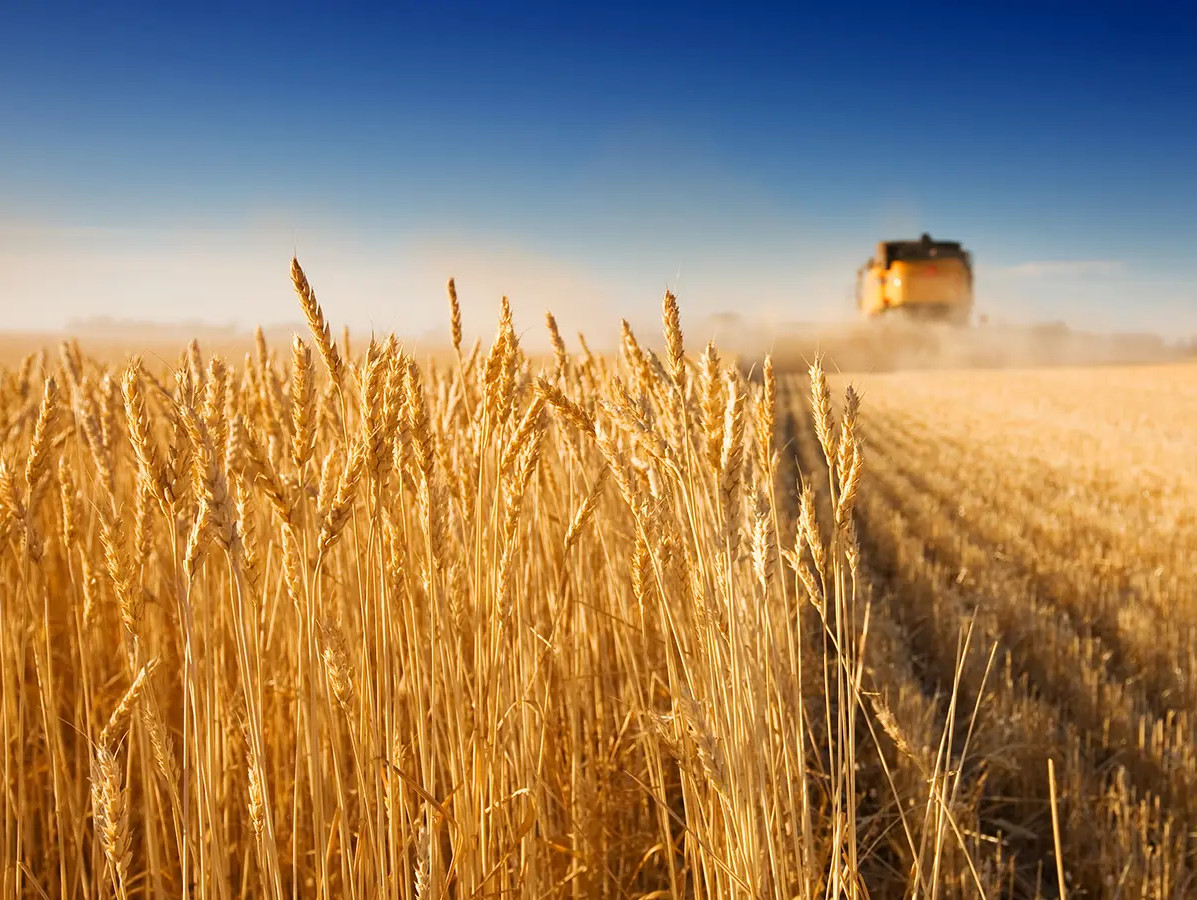
The FAO Food Price Index rose 1.5 percent to 136.0 points in September 2026. Grain and sugar prices saw particularly strong increases on global markets. Transportation disruptions and adverse weather put pressure on supplies. The meat and dairy price indexes edged down.
FAO published the figures on October 2, 2026. The index was 5.8 percent higher than in September 2025. FAO Chief Economist Maximo Torero expects consumer prices to rise soon if the price pressure persists. This applies especially to countries that depend on food and energy imports.
The cereal price index rose 5.1 percent compared with August. This put it 17.2 percent above its September 2025 level. Wheat prices rose 6.3 percent due to logistical constraints in the Black Sea region. Drought in parts of North America also played a role. Corn prices rose 5.6 percent, partly due to concerns about the US harvest. Reduced export availability in Brazil and trade disruptions in the Black Sea region also contributed. The rice price index rose 1.4 percent in the same month.
The sugar price index rose 6.1 percent amid expectations of tighter global supplies in 2026/27. Lower production forecasts in Thailand, low rainfall in India and a strengthening El Niño played a role. Heavy rainfall in Brazil and a decline in the EU’s sugar beet acreage also contributed. The vegetable oil price index rose 0.9 percent due to higher palm oil prices.
The meat price index fell 1.1 percent as pork and poultry prices declined. Export supplies were plentiful for both categories. The dairy price index fell 0.1 percent in September. Lower cheese prices slightly outweighed increases in milk powder prices. Butter prices remained largely unchanged from August.
FAO forecasts global cereal production of 2,979 million metric tons in 2026. That is 2.1 percent less than in 2025. It would be the second-largest harvest on record. Grain trade is expected to remain 3.5 percent below the record level of 2025/26. Shipping disruptions in the Black Sea region are limiting wheat and corn exports. According to FAO, alternative transportation capacity is also insufficient.
Source: FAO
Magazine Voedingsindustrie has been made possible in part by:



© COPYRIGHT 2026 VOEDINGSINDUSTRIE | ALLE RECHTEN VOORBEHOUDEN
Powered by Wallbrink Crossmedia © 2026