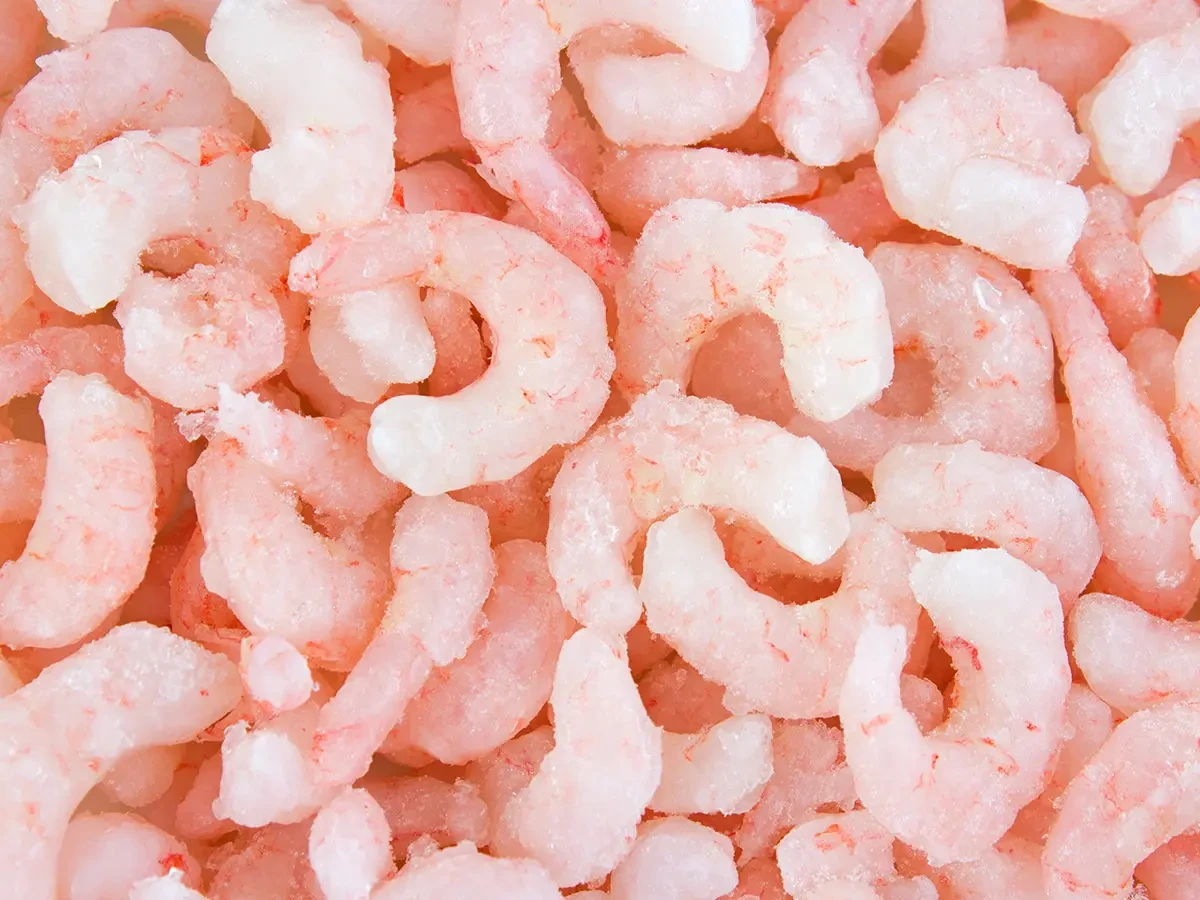
Does the net weight on the packaging match the actual contents? For frozen fish, that is not always the case. Preliminary findings from the European GoldFish study point to fraud. The issues involve added water, glazing, and declared net weights. But the measurements are also prompting debate: laboratories are producing different results. The Visfederatie also questions the use of fixed water-to-protein ratios for seafood products.
The Directorate-General for Health and Food Safety (DG SANTE) coordinates the study. Researchers assessed several aspects of frozen pangasius, cod, and whiteleg shrimp. They examined net weight, water-to-protein ratios, labeling, and additive use.
The preliminary findings indicate poor compliance with rules on added water. Compliance with additive rules generally appears to be good. Standard procedures for removing the ice glaze and determining net weight are lacking. As a result, measurements from different laboratories produce inconsistent results.
The water-to-protein ratio is important for determining how much water has been added. In whiteleg shrimp, this ratio can vary considerably depending on processing and size. The Visfederatie is critical of setting fixed water-to-protein ratios in advance. Director Mike Turenhout points to differences between species and within individual species. Seasons, production methods, and regions can affect these values, he says. “That is why we want thorough discussions at both national and European levels first.”
The European Commission is still assessing the findings and has discussed them with the Seafood Importeurs & Processors Alliance. The Visfederatie is also represented in this organization. The final report is expected in 2027; no publication date has been announced.
The Visfederatie advises companies to review their checks on net weight, labeling, and water-to-protein ratios in good time. It also emphasizes the importance of keeping thorough records for each production batch. These should cover the analytical methods used, supplier information, and results.
Regulators, including the NVWA, and buyers are expected to pay closer attention to these issues in the coming years.
Source: Visserijnieuws
Magazine Voedingsindustrie has been made possible in part by:



© COPYRIGHT 2026 VOEDINGSINDUSTRIE | ALLE RECHTEN VOORBEHOUDEN
Powered by Wallbrink Crossmedia © 2026