Beverage, dairy, and juice producers should prepare for new deposit return rules. The Dutch government wants to update the system to increase the collection of plastic bottles and beverage cans. The proposals also affect importers, packaging companies, and retailers. A key measure is extending the deposit return system to all plastic bottles up to three liters.
Since 2021, a deposit has applied to plastic soft drink and water bottles. Beverage cans were added in 2023. The legal collection target of 90 percent has not yet been achieved. In 2024, 77 percent of plastic bottles and 83 percent of beverage cans were collected.
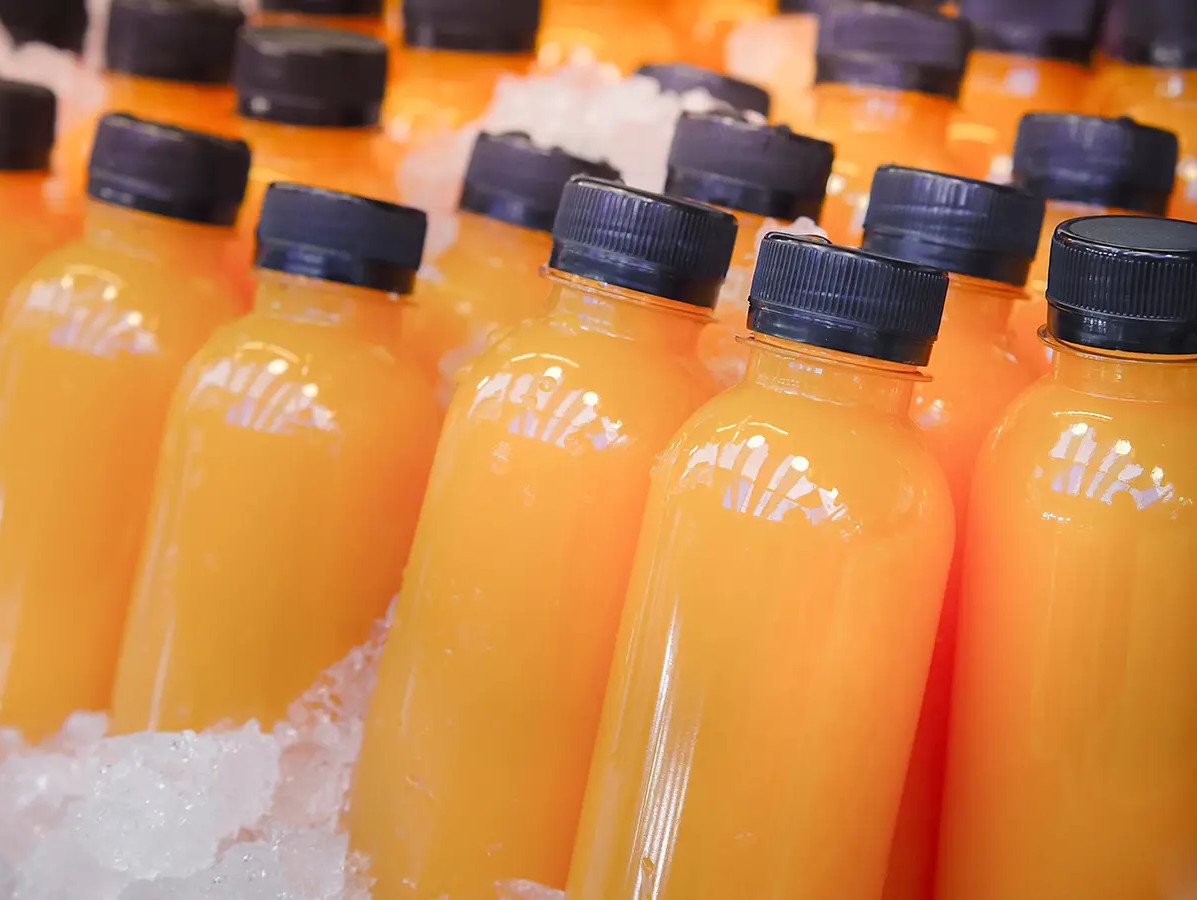
The minister therefore wants to extend the deposit requirement to all plastic bottles up to three liters, including dairy and juice bottles. According to research, the 90 percent collection target can only be achieved if dairy bottles are also collected separately. Wageningen University & Research concludes that this is technically feasible, provided the system or the bottles are modified.
Before dairy bottles become part of the deposit return system, Verpact must develop measures to prevent hygiene issues. Retail locations must also be compensated for any additional costs associated with keeping return areas clean.
The minister also wants to ban the sale of plastic bottles and beverage cans without a deposit. This is intended to reduce consumer confusion and create a fairer playing field for businesses.
The government is also examining ways to increase the number of return points, including the possible introduction of a mandatory take-back requirement. It is also considering whether bulk return machines should be formally included in the regulations. The minister plans to further develop the proposals after the summer and aims to introduce the revised regulations on January 1, 2028.
Source: Ministerie van Economische Zaken en Klimaat
Magazine Voedingsindustrie has been made possible in part by:



© COPYRIGHT 2026 VOEDINGSINDUSTRIE | ALLE RECHTEN VOORBEHOUDEN
Powered by Wallbrink Crossmedia © 2026