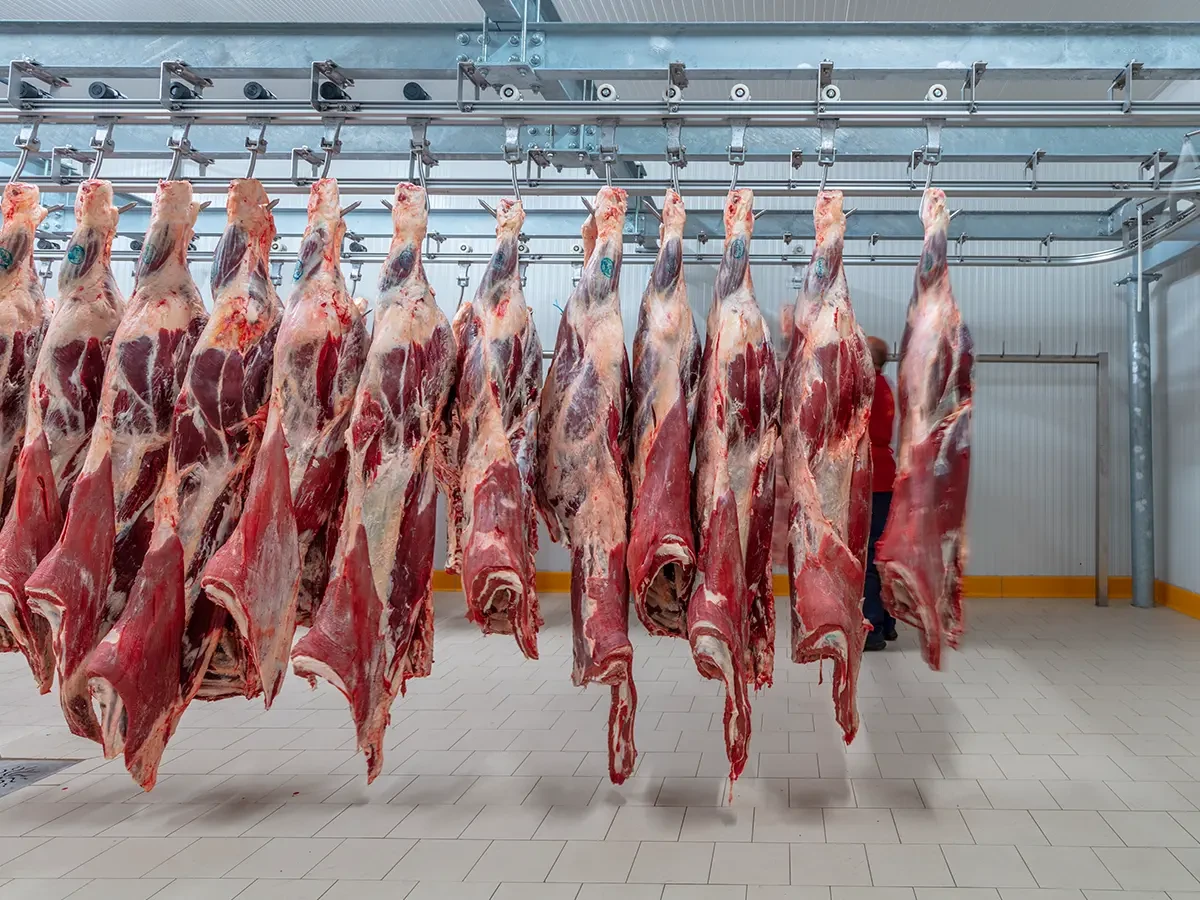
Food safety and animal welfare oversight requires enough qualified staff. The NVWA is short of such staff at slaughterhouses. Workplace aggression and violence also make oversight more difficult. The NVWA says these incidents have led a growing number of employees to stop wanting to work at certain slaughterhouses. That makes it harder to assign staff where they’re needed and schedule oversight. In a letter to the Dutch House of Representatives, State Secretary Silvio Erkens called on the meat industry to take concrete steps to make workplaces safer. NVWA staff must be able to do their jobs independently and without interference.
Erkens is asking slaughterhouses to base their requests for oversight on the number of animals they expect to slaughter. Booking more inspection time than needed or leaving part of a booking unused makes fewer staff available at other sites.
The NVWA is working to distribute staff more effectively across the country. This would give the agency more flexibility in how it assigns staff. In doing so, the NVWA is taking employment terms and staff interests into account. The agency is also developing a plan to reduce its high rate of illness-related absences. It is looking at ways to improve its work processes as well.
The NVWA and industry association VleesNL are working together to address immediate staffing shortages. Over the longer term, they aim to make oversight more predictable and transparent. The NVWA also discusses problems directly with individual businesses.
Erkens is also developing a program to improve practices across the meat supply chain. Strengthening oversight is part of that effort. He plans to meet with the NVWA and VleesNL soon to discuss how to develop the program further.
Source: Tweede Kamer
Magazine Voedingsindustrie has been made possible in part by:



© COPYRIGHT 2026 VOEDINGSINDUSTRIE | ALLE RECHTEN VOORBEHOUDEN
Powered by Wallbrink Crossmedia © 2026