
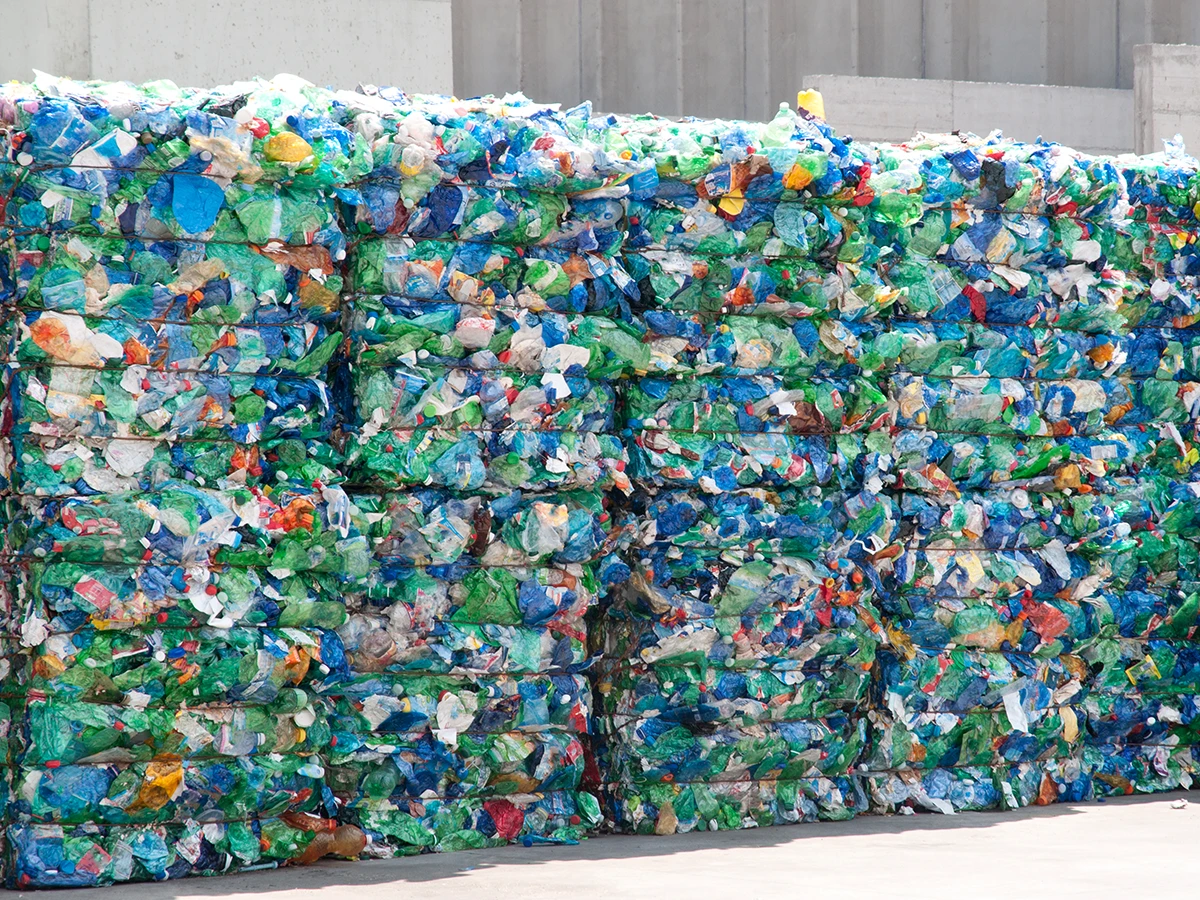
More plastic packaging waste, but also more recycling: that is the picture painted by the EU’s 2024 figures. An average of 35.9 kilograms of plastic packaging waste was generated per person. Of that amount, 15.3 kilograms was recycled, according to Eurostat data. Both the amount of waste generated and the amount recycled increased. The European average masks substantial differences between member states. Latvia recycled more than seven out of every ten kilograms. Denmark recycled less than a quarter.
The amount of plastic packaging waste increased by 0.6 kilograms per person compared with 2023. The amount of plastic packaging waste recycled also rose by 0.6 kilograms. The recycling rate increased from 41.6% in 2023 to 42.4% in 2024.
Between 2014 and 2024, plastic packaging waste increased by 6.1 kilograms per person. The amount of plastic packaging waste recycled rose by 3.4 kilograms per person over the same period.
Latvia recorded a recycling rate of 71.0%, followed by Belgium at 58.2%. Poland and Czechia recorded rates of 56.0% and 53.7%, respectively.
Denmark ranked lowest at 22.5%. Finland and France were also among the countries with the lowest rates. They recycled 26.9% and 27.4% of their plastic packaging waste, respectively.
Around 81.5 million metric tons of packaging waste was generated in 2024. That amounts to an average of 181 kilograms per EU resident. This represents an increase of 3.2 kilograms compared with 2023. Compared with 2014, the amount rose by 19.6 kilograms per person.
Paper and cardboard accounted for the largest share of packaging waste at 40.8%. Plastic followed at 19.9%, glass at 18.1% and wood at 16.2%. Metal accounted for 4.8% and other materials for 0.2%.
The figures cover packaging waste from households, businesses and government bodies. The Eurostat report does not provide separate figures for the food industry.
Source: Eurostat
Magazine Voedingsindustrie has been made possible in part by:


© COPYRIGHT 2026 VOEDINGSINDUSTRIE | ALLE RECHTEN VOORBEHOUDEN
Powered by Wallbrink Crossmedia © 2026


