
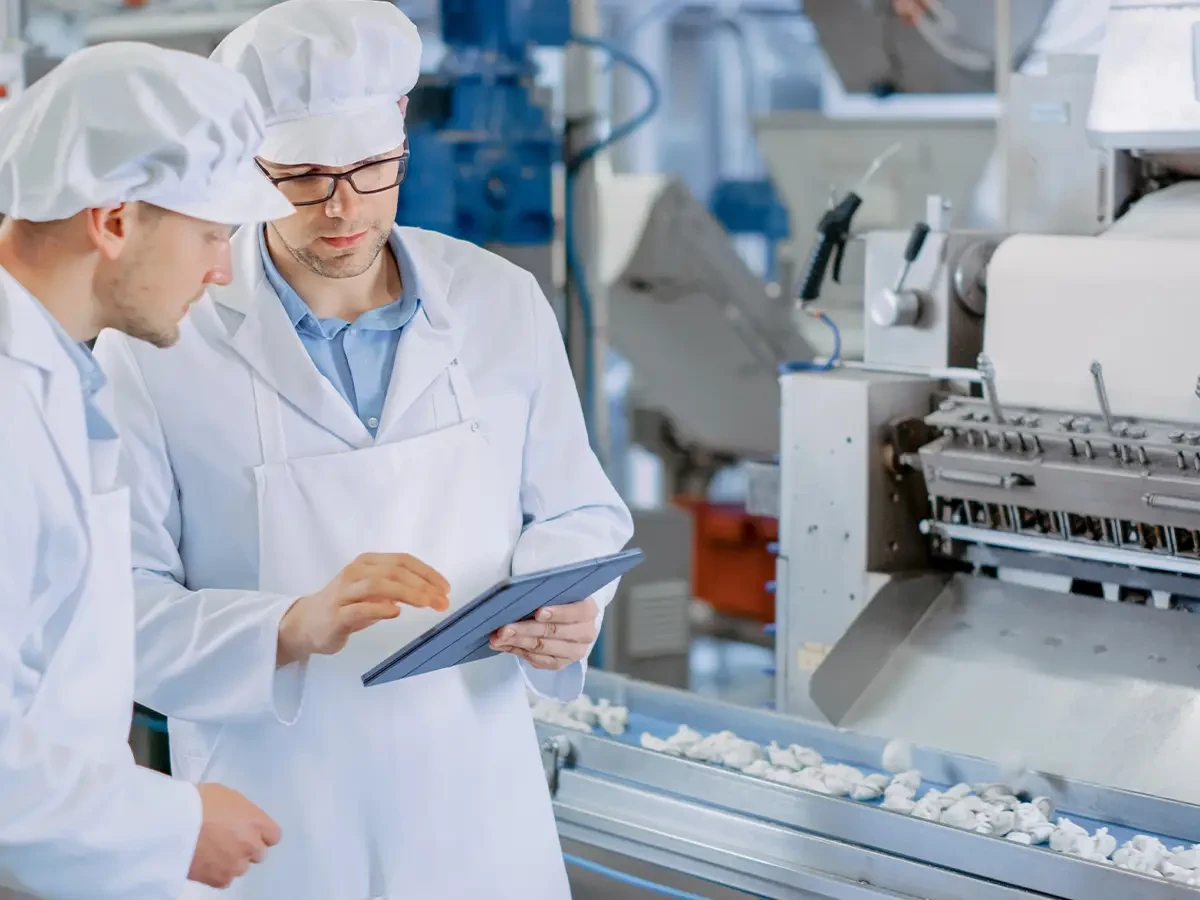
AI is gaining a foothold on the production floor, but employees have concerns. More than a third (34%) see the technology as a threat to their skills and expertise. In addition, 58% feel that decisions about digitalization do not adequately account for their needs. These findings come from research conducted by Markteffect on behalf of Fellowmind. Meanwhile, employees spend time every day on paperwork and repetitive tasks. Fellowmind sees these as areas where AI could provide support.
Markteffect conducted the survey in July 2026 among 435 operational employees in the Dutch manufacturing industry.
Two-thirds (67%) deliberately chose manufacturing because of the hands-on work. Employees are also concerned about contact with their colleagues. Half (51%) expect this contact to decrease as AI takes on a greater role. Currently, 38% use AI or other smart technology at least once a month.
According to Erwin Berends, Manufacturing Industry Lead at Fellowmind, technology has been changing skilled work for years. Sensors, for example, measure vibrations and flag irregularities in machines. AI can help identify the cause and determine what action is needed. Berends says skilled workers still assess whether that analysis is correct. They also decide what needs to happen next.
Retyping data and keeping records take up employees’ time every day. For 24%, paperwork and repetitive production tasks take between half an hour and an hour daily. For 21%, that rises to one to two hours.
According to 27%, manually entering or retyping data takes an unnecessary amount of time. Employees also identify maintaining reports and records (24%) and troubleshooting (23%) as time-consuming tasks. Another 20% mention finding the right information.
Berends notes that some paperwork is necessary for regulatory compliance and traceability. He says unnecessary retyping takes time and can introduce errors. He recommends working with employees to determine which steps are necessary. This would give skilled workers more time to put their expertise to use, he says.
Source: Fellowmind
Magazine Voedingsindustrie has been made possible in part by:


© COPYRIGHT 2026 VOEDINGSINDUSTRIE | ALLE RECHTEN VOORBEHOUDEN
Powered by Wallbrink Crossmedia © 2026


