
Have you ever heard that puzzled reaction when a microbiological test result comes back different from what you expected? “But… that can’t be right. The water is clear, the equipment has been well maintained, and the cleaning is done. You wouldn’t expect an unusual result.” That’s exactly where testing proves its worth. It goes beyond checking our assumptions and shows us what we can’t detect on our own.
For many food manufacturers, using “clean” water for production, cleaning, or both is a given. Yet making sure that water is of the right quality deserves just as much attention as looking after raw materials and finished products. When water is used as an ingredient or comes into direct contact with the product, it must meet the applicable requirements.
Even when the water meets all quality requirements, risks can still arise within the equipment. Under the right conditions, microorganisms can multiply in standing water and form stubborn biofilms. Water can carry pathogens to other parts of the production environment, where they may come into contact with food. My advice after a thorough wet cleaning? Always make sure critical areas such as seams, cavities, and hard-to-reach spots can dry thoroughly. A microbiological test result is still just a snapshot. An unexpected result alone doesn’t prove there’s an underlying problem. It is a reason to take a close look at the cleaning process and ask some tough questions.
I advise manufacturers to focus their testing where it matters, keep an eye on standing water and high-risk areas, and act before an unusual result comes in. Managing water quality starts well before you get the results, with everything you do to prevent problems.
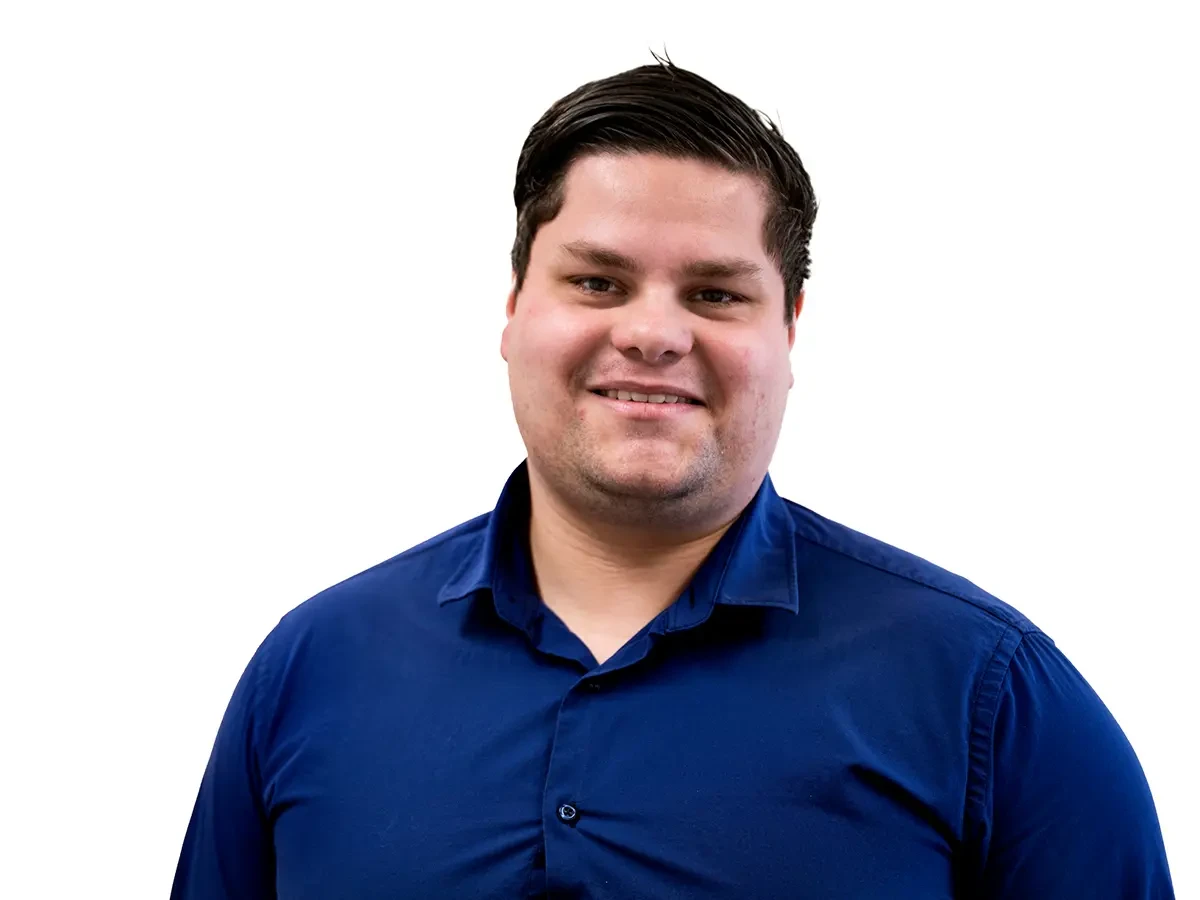
Ramon Sterk
Microbiology and Allergen Specialist, Nutrilab
Source: Vakblad Voedingsindustrie 2026
Magazine Voedingsindustrie has been made possible in part by:


© COPYRIGHT 2026 VOEDINGSINDUSTRIE | ALLE RECHTEN VOORBEHOUDEN
Powered by Wallbrink Crossmedia © 2026


